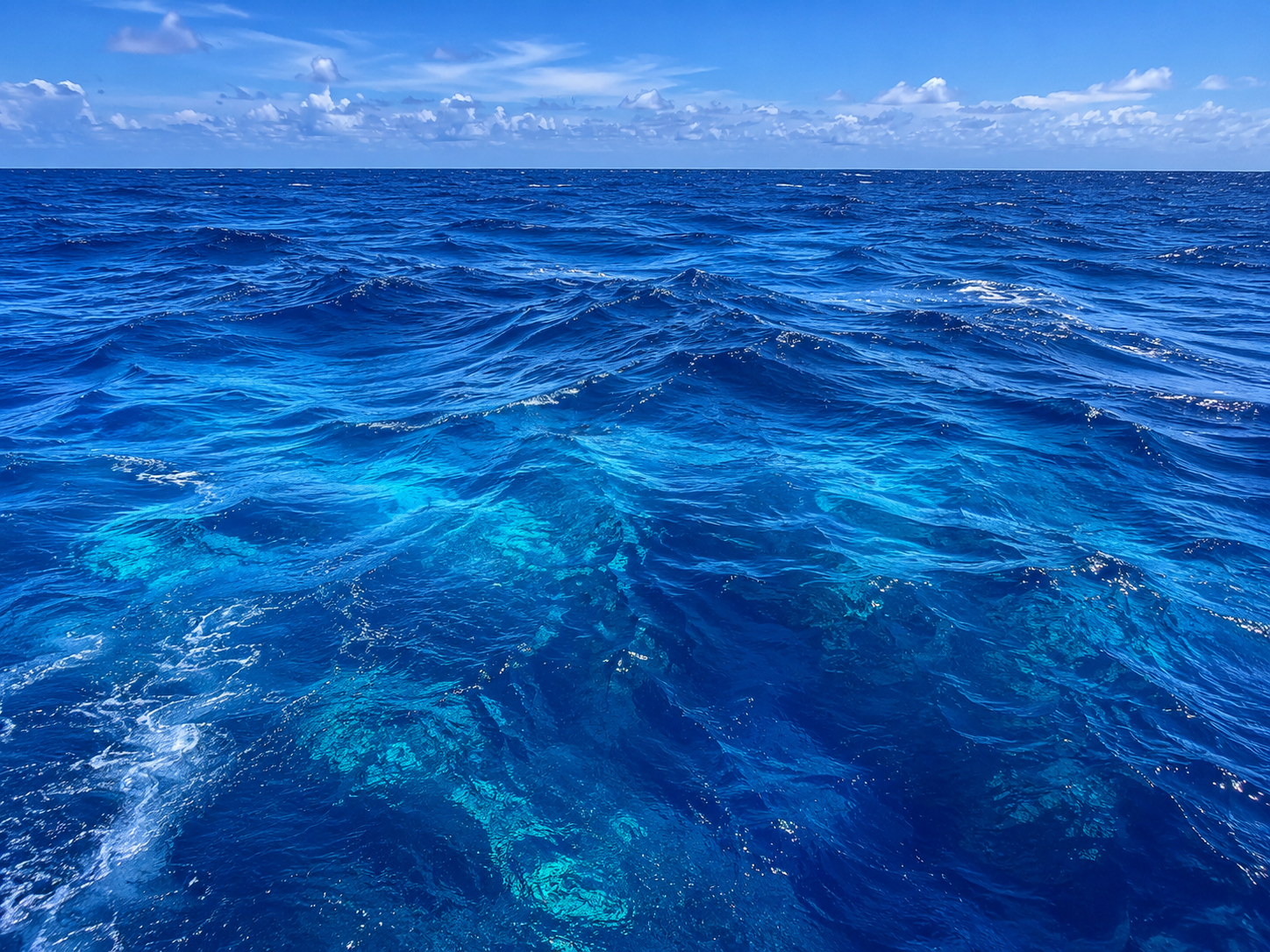
The Magellan-Elcano Expedition retraced.

Fifth-Centennial Expedition

The Magellan-Elcano Expedition retraced.

Álvaro de Marichalar retraces the world’s First Circumnavigation solo aboard NUMANCIA, a tiny 3 meters / 11 feet vessel.

500th Anniversary

3 meters / 11 feet

Solo navigation

Smallest vessel ever

Historical origin

The Magellan-Elcano Expedition

The world was first circumnavigated by the Magellan-Elcano Expedition, starting from Seville, Spain in 1519 and completed three years later in 1522.

Ferdinand Magellan, a Portuguese-born explorer who decided to become a Spaniard, commanded the first part of the route. He led the fleet from Seville to the Philippines, where he lost his life.

260 sailors aboard five vessels set sail on August 10th, 1519. Three years later, only 18 heroic survivors returned to Seville aboard one remaining vessel, VICTORIA, under the command of Spanish explorer Juan Sebastián Elcano.

This expedition led to the European discovery of new lands. New trade routes were mapped for Spain, marking the beginning of today’s world.

Today retraced

Renowned Spanish Explorer Álvaro de Marichalar

Álvaro de Marichalar is now retracing the Magellan-Elcano Expedition solo, navigating aboard a tiny 3 meters / 11 feet vessel named NUMANCIA.

Álvaro’s journey gives the world the opportunity to experience, 500 years later, what this unique adventure must have been like for the explorers of the sixteenth century.

The Voyage

Fifth-Centennial of the World’s First Circumnavigation

We are now celebrating the 500th Anniversary of the World’s First Circumnavigation: an incredible endeavor considered one of the most important adventures ever, devised by Magellan and promoted by the Kingdom of Spain.

To commemorate this key achievement in human history, Spanish explorer Álvaro de Marichalar is circumnavigating the world solo aboard a tiny 3-meter vessel, following the watermark of the European heroes of the sixteenth century.

His voyage honors Ferdinand Magellan, Juan Sebastián Elcano, HM King Charles I of Spain and the courageous sailors who discovered the shape of our planet, empirically demonstrating that our world is round.

With his Tour around the world, Álvaro de Marichalar combines both the Spanish and Portuguese spirit of exploration.

Route

The route in three laps.

First Lap

Sailing around Spain, Portugal and France

From Seville to Gibraltar

Álvaro departed from Seville on the exact historical date, 500 years later: August 10th, 2019. After navigating down the Guadalquivir River, he arrived in Sanlúcar de Barrameda on the evening of the same day.

As the Magellan-Elcano Expedition did in 1519, Álvaro resumed sailing on September 20th from Sanlúcar, arriving in Huelva.

To remember the Portuguese explorers who discovered new horizons alongside the Spaniards, Álvaro headed to Portugal, landing in Lagos, Sines, Lisbon and Porto.

Álvaro continued along northern Spain, reaching the coasts of Galicia, Asturias, Santander and the Basque Country, landing in Guetaria, where he honored Spanish sailor Juan Sebastián Elcano, the first person to circumnavigate the world, born in Guetaria in 1476.

After arriving in Bayonne, France, from San Sebastián, Álvaro’s tiny vessel was transported by land to Monaco, where he resumed his Solo WorldTour on November 9th, heading to Marseille and arriving in Barcelona, Salou, Valencia, Alicante, Motril, Málaga, Marbella and Gibraltar.

From Seville to Gibraltar, Álvaro sailed always on his feet and completely alone, without the assistance of a support vessel, refueling, eating, sleeping and repairing his tiny vessel at ports along the coastline.

Second Lap

Atlantic Crossing

From Southern Spain to the Caribbean Sea

Álvaro crossed the Atlantic Ocean from Gibraltar to the Caribbean island of Guadalupe, where he arrived on Christmas Day after sailing for 15 days with the support of the explorer vessel YERSIN, which provided him with food, water, supplies and technical assistance.

Third Lap

Caribbean Sea

From Guadalupe to Miami

After repairing his tiny vessel in Guadalupe, Álvaro said goodbye to the support vessel’s crew and resumed navigating on December 31st, passing by Montserrat Island and landing in Saint Barthélemy.

Later, he continued on to Saint Croix, US Virgin Islands, Puerto Rico, Dominican Republic, Haiti, Cuba, Key West and Miami, where he arrived on March 16th, 2020, just in time to enter the United States on the date of the closure of its borders due to the pandemic.

As he did on the First Lap, Álvaro navigated again completely alone, without the support of any vessel, refueling, eating, repairing and sleeping at ports across the Caribbean islands.

Solo sailing from island to island across the Caribbean Sea became especially difficult and extremely risky.

Main Goals

Main Goals of the Fifth-Centennial Expedition

Honor Juan Sebastián Elcano, Ferdinand Magellan, HM King Charles I of Spain and all the brave European sailors who participated in the First Circumnavigation for their courage, strength and determination.

Celebrate the World’s First Circumnavigation across the globe and raise awareness of Spanish and Portuguese heritage.

Raise awareness of the endangered marine ecosystem, threatened by plastic waste, illegal fishing and oil spills.

Inspire others to pursue their passions and goals with focus, persistence and determination.

Promote peace and unity between nations and cultures all over the world.

Foster the spirit of exploration, sports and a healthy lifestyle.

Uncover and report human trafficking.

Set a new World Record by solo circumnavigating the globe aboard the smallest vessel ever.

Charity

International Red Cross and Red Crescent Movement

The expedition is ready to support the International Red Cross and Red Crescent Movement.

The International Red Cross and Red Crescent Movement is an international humanitarian organization with millions of volunteers, members and staff worldwide, founded to protect human life and health, ensure respect for all human beings and prevent and alleviate human suffering.

The ICRC was awarded the Nobel Peace Prize on three occasions: in 1917, 1944 and 1963.

The Spanish Red Cross was founded by Álvaro’s ancestor, the Count of Ripalda.